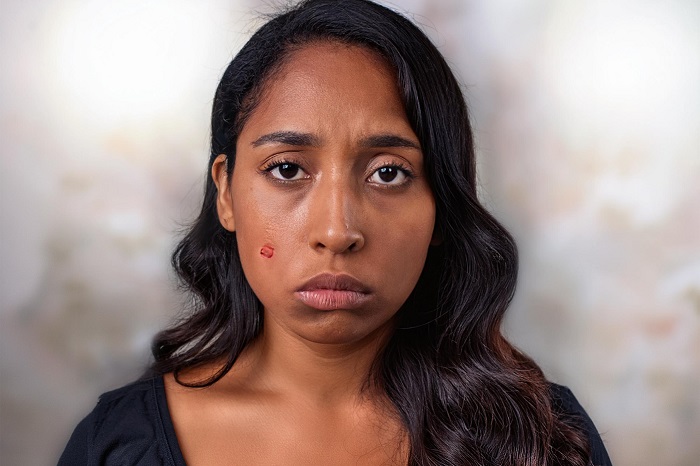
Herpes in India: The Mood Swings No One Talks About
Herpes, often brushed under the carpet in Indian society, is more than just a skin condition or a viral infection—it’s an emotional rollercoaster. For many, especially those newly diagnosed, the emotional toll is far heavier than the physical symptoms. The Indian cultural landscape makes herpes harder to talk about, and harder to heal from. Add mood swings into the mix, and the journey becomes even more complex.
While the virus may be manageable medically, its impact on mental health remains one of the most misunderstood aspects. This blog dives into the hidden emotional burden of Herpes in India—particularly mood swings—and how it affects dating, self-esteem, and relationships.
The Hidden Link Between Herpes and Mental Health
Herpes simplex virus (HSV), whether oral (HSV-1) or genital (HSV-2), doesn’t just attack the body—it can destabilize the mind. Many Indian singles silently suffer from intense emotional ups and downs post-diagnosis. These mood swings are real, and science backs it. During herpes outbreaks, the body releases inflammatory chemicals and hormones that can affect brain chemistry. This can result in mood fluctuations—irritability, sadness, anxiety, even depression.
What makes it worse in the Indian context is the lack of open conversations. Most people don’t even know mood swings are a symptom, and they internalize the distress. Without emotional validation, it becomes easy to spiral. Family pressure, shame, and a society that links self-worth with sexual “purity” only amplify these mood issues. It’s not just about the virus—it’s about how India responds to it.
Shame, Silence, and Emotional Isolation
In India, where conversations around sex and STDs are taboo, herpes becomes more than a medical issue—it becomes a social curse. Indian singles often hide their diagnosis from even their closest friends. This emotional isolation fuels mental health issues. Imagine battling a recurring virus while carrying the fear of judgment, rejection, or dishonor. No wonder many people with herpes in India suffer in silence, masking their mood swings and emotional instability behind a brave face.
Many individuals report feeling fine one day and utterly defeated the next without understanding why. The guilt, self-blame, and societal shame tied to the infection contribute significantly to these emotional shifts. It’s not always a clinical disorder—it’s the toxic silence and stigma that worsens the mood.
The Biological Side of Mood Swings
From a physiological standpoint, herpes is more than skin-deep. Studies show a direct connection between the herpes virus and the brain’s limbic system—the center of emotions. The inflammatory response triggered by herpes reactivations affects neurotransmitters like serotonin and dopamine, directly impacting mood. Women in India often report extreme irritability or depressive states during outbreaks, but these symptoms are rarely attributed to herpes.
When people experience repeated emotional lows without a clear explanation, it leads to confusion, frustration, and emotional fatigue. Unfortunately, Indian doctors rarely mention mood swings as a potential side effect, leaving many misdiagnosed or misunderstood. The result? A generation of young adults suffering in silence, mislabeling their emotional distress, and blaming themselves unnecessarily.
Dating with Herpes and Emotional Vulnerability
Now add romance to this emotional minefield. Dating with herpes in India isn’t just difficult—it can feel impossible. The fear of rejection is ever-present. Emotional highs and lows can make dating feel like a landmine, where one misstep—like disclosing your status—can end something before it begins. For women especially, the emotional labor is double; they not only battle herpes but also gendered judgments about sexuality.
Mood swings also affect how people interact in relationships. You might feel euphoric and ready to connect one day, then emotionally drained and anxious the next. This unpredictability can confuse potential partners or even sabotage budding relationships. The emotional toll of living with herpes becomes an invisible third wheel in every romantic interaction.
Indian Society’s Role in Suppressing Emotional Truths
Culturally, India isn’t kind to vulnerability. There’s a constant expectation to be emotionally strong, especially among men. For Indian men with herpes, expressing mood swings is seen as weak or unmanly. For women, emotional distress is often dismissed as “drama” or hormonal imbalance. This toxic outlook invalidates genuine mental health concerns linked to herpes.
Religious and cultural narratives further complicate the picture. Many are told they’re being “punished” for being sexually active or that they’ve “brought it on themselves.” These messages only deepen the emotional wounds and feed the cycle of guilt, shame, and depressive episodes.
The Vicious Cycle of Triggers and Outbreaks
Mood swings are not just a side effect of herpes—they can also be a trigger. Emotional stress, anxiety, or depression can weaken the immune system, making herpes outbreaks more likely. In turn, outbreaks reinforce feelings of helplessness and distress. This creates a vicious cycle that many in India are stuck in without proper guidance or emotional support.
Breaking this cycle requires more than antiviral meds. It calls for self-awareness, access to counseling, and the courage to seek emotional healing. Unfortunately, the Indian healthcare system is still catching up when it comes to integrated care that addresses both physical and emotional needs.
Support Systems: The Need for Indian Herpes Communities
One of the biggest emotional challenges Indian singles face is lack of community. There are hardly any safe spaces—online or offline—where people can connect with others living with herpes in India. The silence around mood swings makes it worse. What’s needed are platforms like PositiveSingles that cater specifically to people with herpes and other STDs, offering not just dating opportunities but emotional support.
Such communities can help normalize the conversation, allow people to vent, and remind them they’re not alone. Emotional healing begins with connection, not isolation. India must begin to build and promote such spaces—spaces where having herpes doesn’t mean a life of shame and emotional instability.
Managing Mood Swings with Awareness and Compassion
The first step to healing is recognizing that mood swings are part of the herpes journey—not a character flaw. Here are ways Indian singles can cope with emotional turbulence:
- Track Your Emotional Patterns: Journaling helps you understand the correlation between outbreaks and mood shifts.
- Seek Professional Help: Talk therapy and counseling can work wonders. It’s not a weakness—it’s wisdom.
- Build a Support Network: Even one trusted friend or support group can help buffer emotional lows.
- Practice Self-Compassion: You are not your virus. Your feelings are valid. You are worthy of love and stability.
- Consider Holistic Care: Yoga, meditation, balanced nutrition, and proper sleep are powerful mood regulators.
Dating Tips for Indian Singles with Herpes and Mood Swings
Dating with herpes and fluctuating emotions may seem daunting, but it’s possible to find real love and emotional security. Here’s a condensed dating tip that blends confidence and self-care: When dating with herpes in India, timing your disclosure can reduce anxiety—wait until mutual interest is clear, speak openly and calmly about your condition, and make sure you are emotionally grounded before serious romantic steps. Be honest about your mood swings too, so your partner understands they’re a symptom, not rejection. Most importantly, date people who respect emotional vulnerability as strength, not weakness.
Conclusion: Emotional Honesty Is the Cure We Need
The reality is, the mood swings that come with herpes aren’t signs of weakness—they’re signs of a body and mind under stress. In India, where silence often replaces truth, emotional honesty is the most radical act of healing. Whether you’re Dating With Herpes, navigating emotional chaos, or just trying to feel whole again—know this: you are not broken. You are human.
By creating compassionate, herpes-aware communities in India and breaking the stigma around mood swings and mental health, we open the door to not just medical treatment, but true emotional healing. It’s time we talk about herpes not just as a skin condition—but as a journey of resilience, self-love, and emotional rebirth.